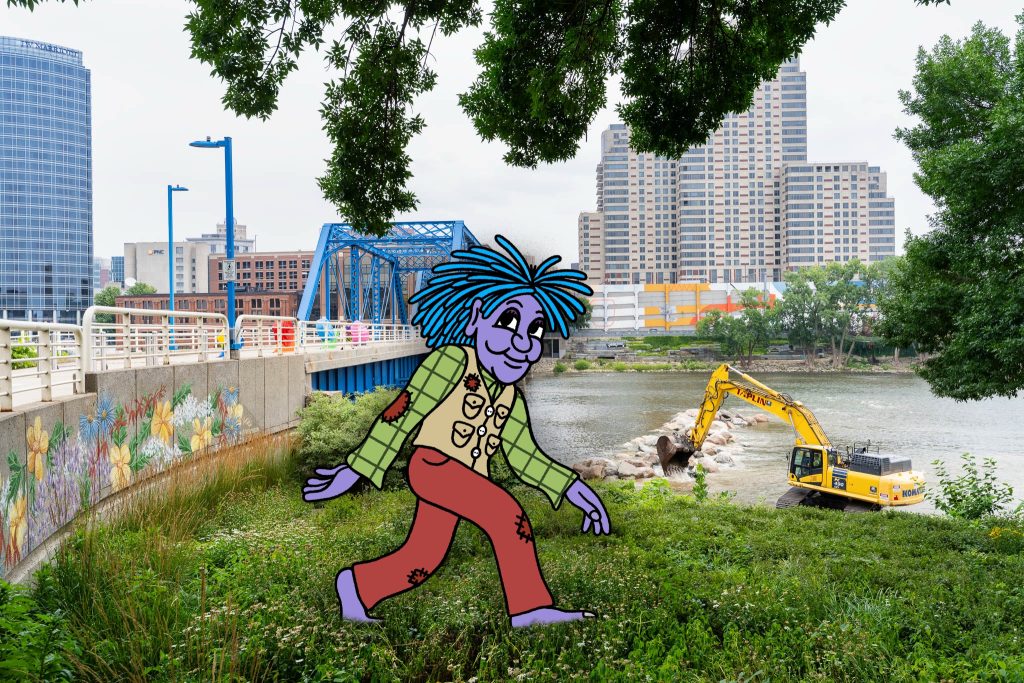
A river running through a city sounds like a simple fact of geography. After a summer with the Grand River Network, I don’t see it that way anymore. The Grand River is the reason the city of Grand Rapids exists, and it’s still shaping what the city becomes next.
Hi! My name is Laura Walton. I’m a senior at Grand Valley State University, studying environmental sustainability, and this summer I worked as the Communications Intern with the Grand River Network. Coming in, I thought I understood the Grand River Greenway: a plan to reconnect Grand Rapids to its river. What I hadn’t understood yet was the scale of effort that kind of reconnection requires, or the intentionality it takes to do well.
The River as the City’s Lifeblood
Before this summer, the river was mostly background to me, something I passed without thinking much about it. Working with the Grand River Network has allowed me to see it differently, as infrastructure the city depends on and a relationship the city has to keep choosing to maintain. And the Grand River Greenway end when a section of trail is built or a plan approved. It’s ongoing work, the kind that has to be renewed project by project, year by year, in partnership.
Every project I saw this summer – from riverwalk segments to playgrounds – came back to the same goal: keep that lifeblood healthy and keep people connected to it.
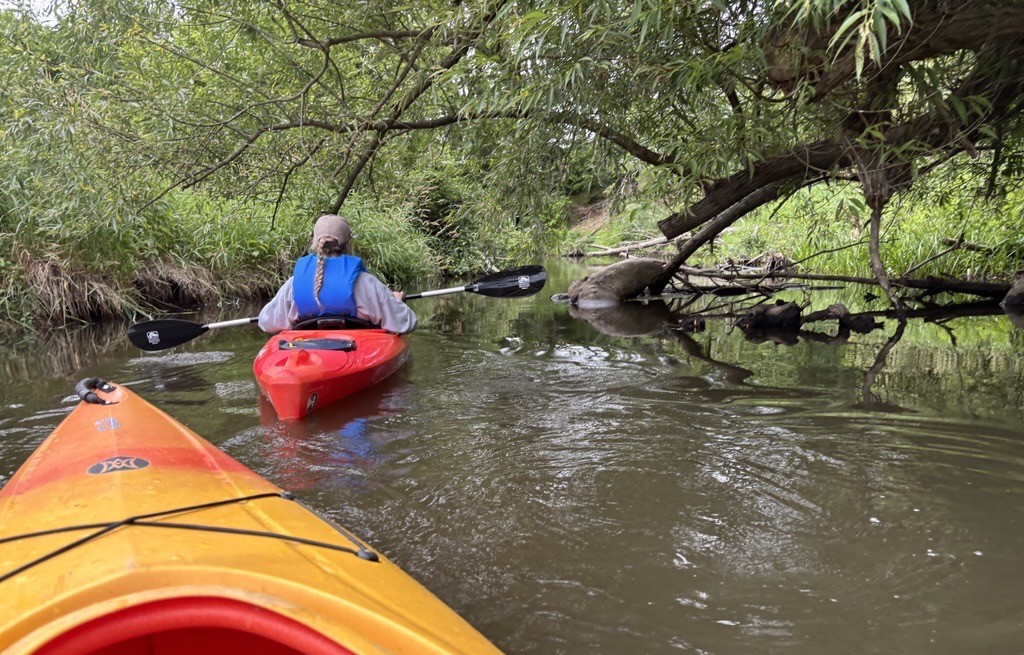
What struck me was how differently that goal shows up depending on the project. Sometimes it meant safety, making stretches of the river usable and secure rather than just present. Sometimes it meant restoration, work aimed at the river itself rather than at the people around it. Different projects with the same underlying question: what do we owe the river that made life possible in the first place?
A Network, Not Just an Office
The Grand River Network isn’t one team working alone, but a backbone connecting many different partners and residents who all have a stake in the river. I saw that structure almost right away, sitting in on different board and stakeholder meetings.
Those conversations taught me that a design process only works when everyone it affects has a place in it. Who benefits from the Greenway, and who’s been left out of placemaking decisions in the past, are questions Grand River Network takes seriously.
If the Greenway is meant to serve everyone along it, creating access for all deserves tailored, patient and intentional community collaboration.
Watching Partners Turn Plans Into Ground
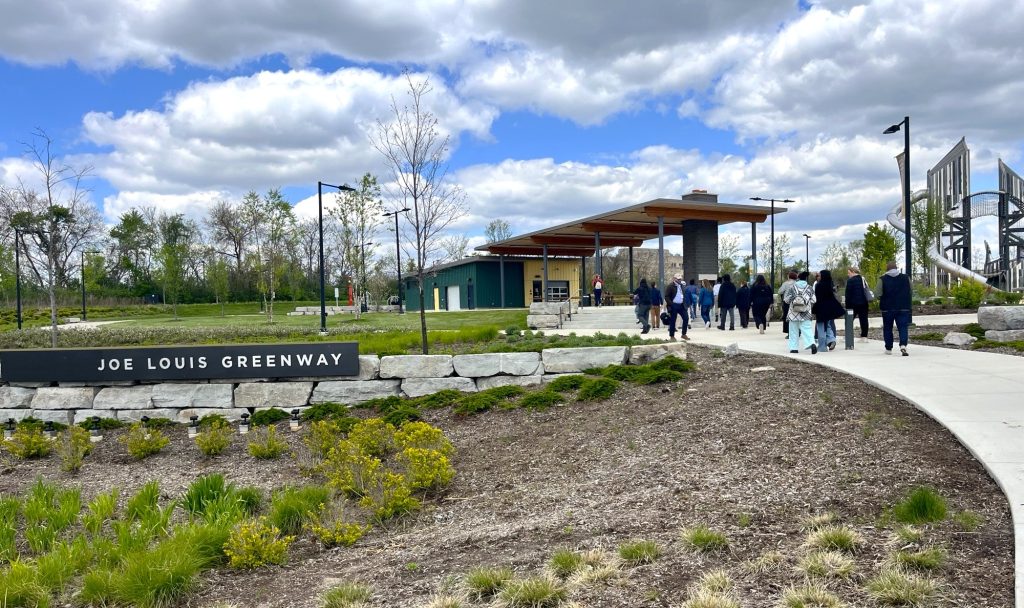
The best part of the summer was watching that network take physical shape. I went on a riverfront tour with city planners visiting from Muskegon, comparing notes on what riverfront redevelopment looks like across West Michigan. I attended groundbreakings at project sites, where I met partners and community members who’d been working toward that single moment for years.
My supervisor, Malina, took me on a tour of the entire Greenway corridor, start to finish. On paper, the Greenway is a line on a map. In person, it’s miles of partnered decisions, some finished and some just starting. I didn’t fully grasp the scale of who and what the Grand River Network is fulfilling until that tour, or how many communities this one “line” actually touches.
The Work Behind the Work
Not everything I did was as visible as a groundbreaking or a board meeting. A lot of what keeps the Grand River Network’s storytelling running is quieter: organizing a growing archive, documenting construction progress, connecting across dozens of partners to ensure transparency and alignment. That’s not the part people see when they read about the Greenway, but is critical to tell its full story.
Telling that story isn’t something you can do from a distance. It takes constantly being in the field, meeting partners and scouring archives to actually understand a project well enough to represent it honestly.
But none of that holds unless we always maintain room for everyone the river touches, including every neighborhood, every user, and every species that calls it home. My job this summer was to pay close enough attention to help tell that story while it was still in progress.
I’m grateful to Malina and the rest of the Grand River Network team for trusting me with that work, and for showing me what a genuinely collaborative, place-based project looks like from the inside.