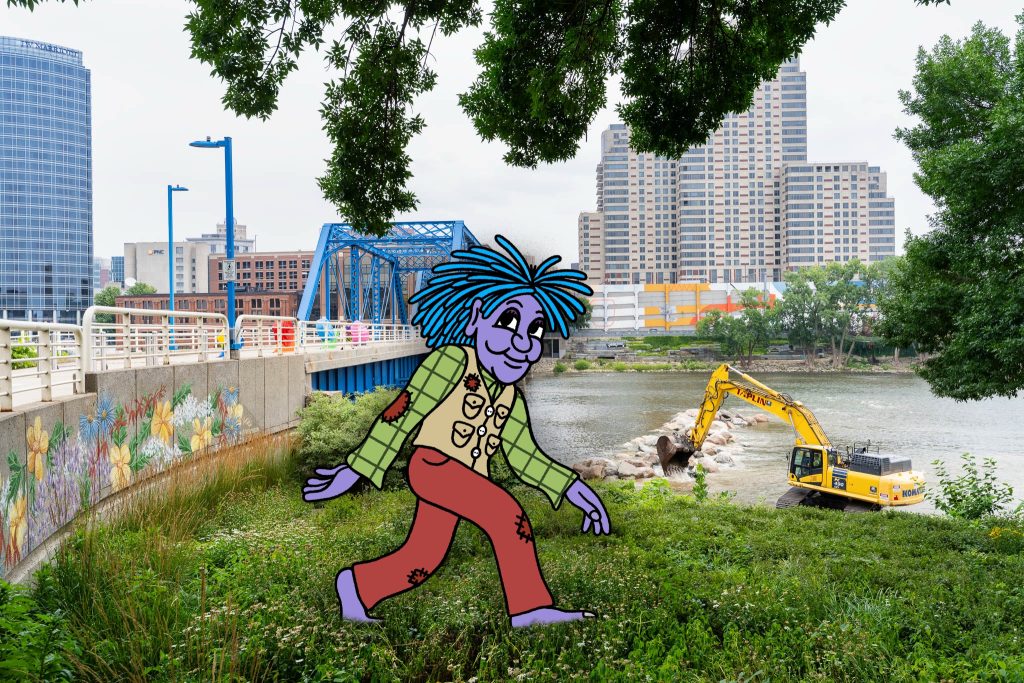
As a backbone organization for the many partners working along the river, the Grand River Network is invested in the work of revitalization. That is, bringing the Grand River to new life.
Different from restoration, orienting ourselves in revitalization is a recognition that, unfortunately, we cannot return (to) the river the way it was before centuries of alteration. Revitalization moves us forward with the most, but notably different, restoration possible.
Generational settlement patterns, pollution, and inequity have permanently altered the river. The Grand River Greenway is about recalling its best parts – thriving species, healthy water quality, communal access and spiritual connection to the river – and bringing to life things that are centuries overdue. In doing so, our community aims to move forward with respect for who and what came first.
We also orient ourselves in revitalization because a mission of restoration introduces greater questions: restored…to what point? Who decides – and how – on the point in time that benefits the most species? Through the effort of revitalization, Grand River Network partners instead organize around cultural, communal, and scientifically-backed ecological metrics of what it means to foster a healthy Grand River today.
Revitalization looks like…
Stewarding ecological balance.
Partners across local, state and federal levels have mobilized their networks to attend to the ecological intricacies of the river. We are able to intentionally assess water quality, sequence construction and activation around the presence of freshwater mussels and other vulnerable species; and transparently communicate real-time, longitudinal river cleanliness reports.
Our network also knows that the river is more than water. Partners advocate for and steward the health of the Grand River, its creeks and tributaries, through recurrent practices like native landscaping, invasive species removal, green stormwater mitigation and community conservation education. Across each organization, these efforts are intentionally coordinated to engage residents and steward the river’s ecological balance.
The Grand River is living – not just linear a current, but a responsive, multidimensional body that remembers our many histories and reminds us of what mistakes we cannot make again. Through intentional, ongoing engagement with the river, our partners can better understand and attune to its systems to foster healthy, welcoming waters.
Partners doing the work: Lower Grand Organization of Watersheds (LGROW); Friends of GR Parks; Grand Rapids Public Museum; Grand River Bands of Ottawa Indians; Great Lakes Fish Commission; Michigan DNR and EGLE; Ottawa County; Plaster Creek Stewards; Urban Waters Federal Partnership; West Michigan Environmental Action Council; additional subwatershed groups; conservation districts; additional state and federal partners (EPA; FWS; USDA; NWF)
Connecting people (back) to the water.
By the end of 2026, there will be a 150% increase in direct river access points along the Grand River Greenway in Kent County. This is the direct result of the combined civic interest and dedicated funding to re-establish connection (back) to the Grand River.
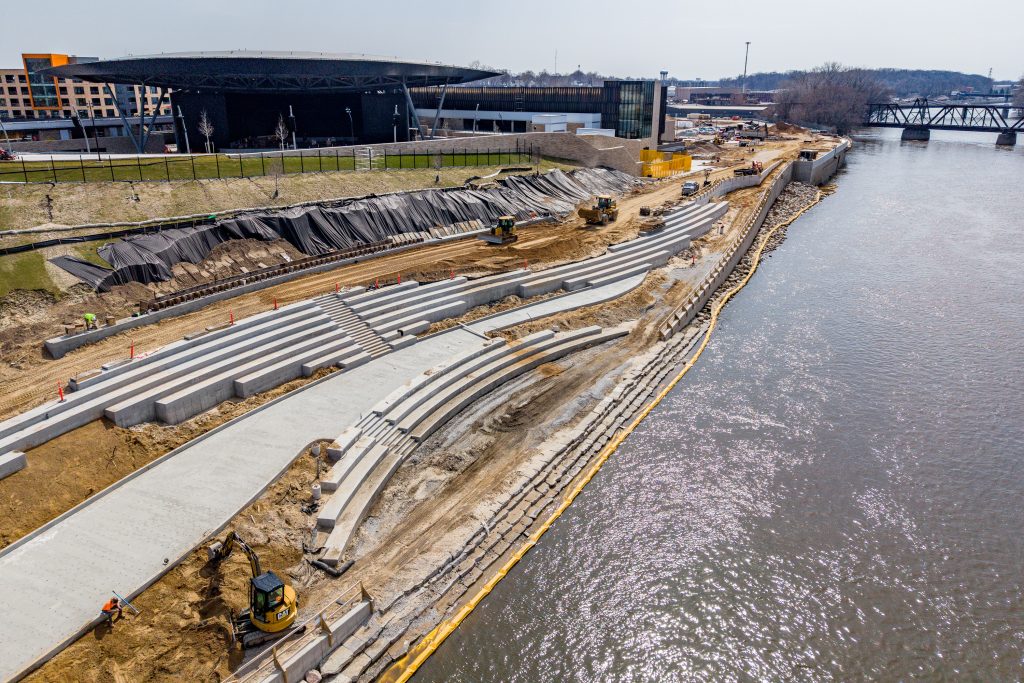
Cross-sector efforts to remove expensive, aging dams greatly increase the safety and recreation opportunities along the river. Furthermore, the state designation of the Lower Grand River as a water trail enhanced resources available for river navigation and public education. The increase of diverse river access sites offers additional water recreation for more levels of skill and interest (meaning direct access is just as much for toe-dipping picnickers as it is for avid county-crossing kayakers).
Partners doing the work: Black Voices at the River; City of Grand Rapids; Downtown Grand Rapids Inc.; Grand Rapids Public Museum; Grand Rapids WhiteWater; Grand River Bands of Ottawa Indians; LGROW
Connecting to each other.
People have settled along the Grand for thousands of years, imprinting trails that follow the natural course of the river. These ancestral routes were used by the Grand River Bands of Ottawa Indians, other Indigenous tribes and European settlers to trade and travel across the state, sustaining and connecting people. Trails are a communion of land, water, air and people. The displacement of Indigenous peoples, along with industrialization and urban renewal near the river, have disrupted these natural patterns of human and land connection.
Today, more than 426,000 people live within 2 miles of the Grand River. Yet the primary ways we connect across Grand River communities (to trade, to travel) usually require devices and motorized transportation, enabling our disconnection from the land and water.
The 80+-mile nonmotorized Grand River Greenway is a reemergence of historic, holistic connection.
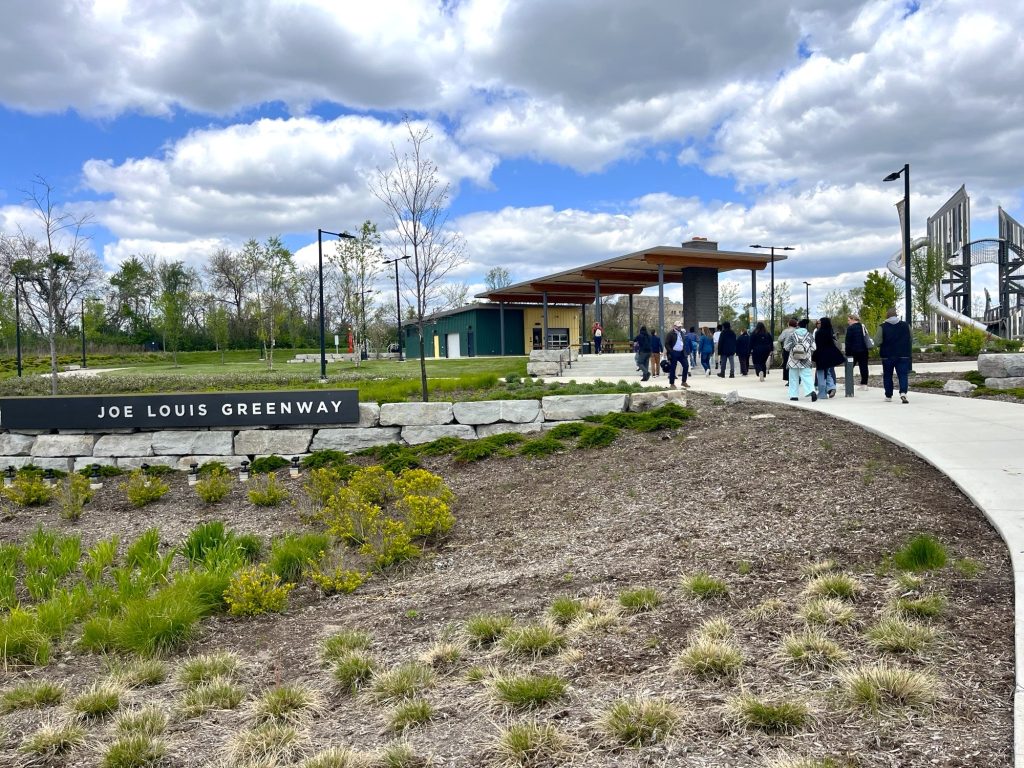
By foot, wheel and paddle, the Grand River Greenway is reconnecting its communities through trails and public spaces designed based on long-term public feedback and community engagement. Across our projects, partners prioritize community needs through universal design, gathering places, and safe access points along the riverfront. The Grand River Greenway is reopening the door to a healthier, connected, welcoming communion of the river.
Partners doing the work: Downtown Grand Rapids Inc.; Grand Valley Metro Council; Kent County; Kent County Parks Foundation; Michigan DNR; Ottawa County; City of Grand Rapids; City of Wyoming; City of Walker; City of Grandville; Plainfield Township; Ada Township; Cascade Township; Cannon Township; City of Lowell; Lowell Township; Lowell Area Recreation Authority; West Michigan Mountain Biking Alliance; West Michigan Trails